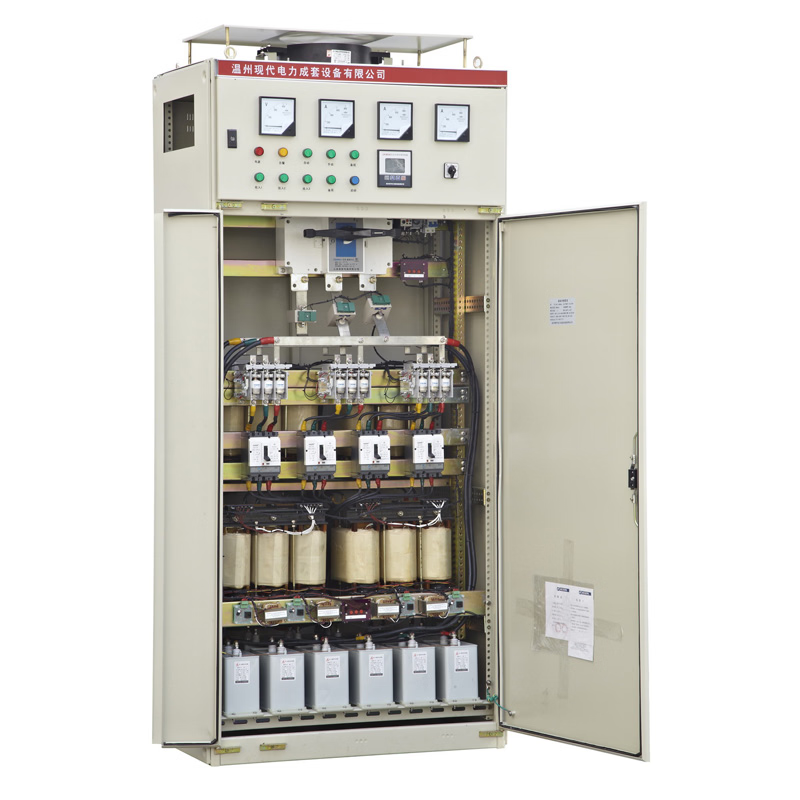
Power Factor Correction System in Noida
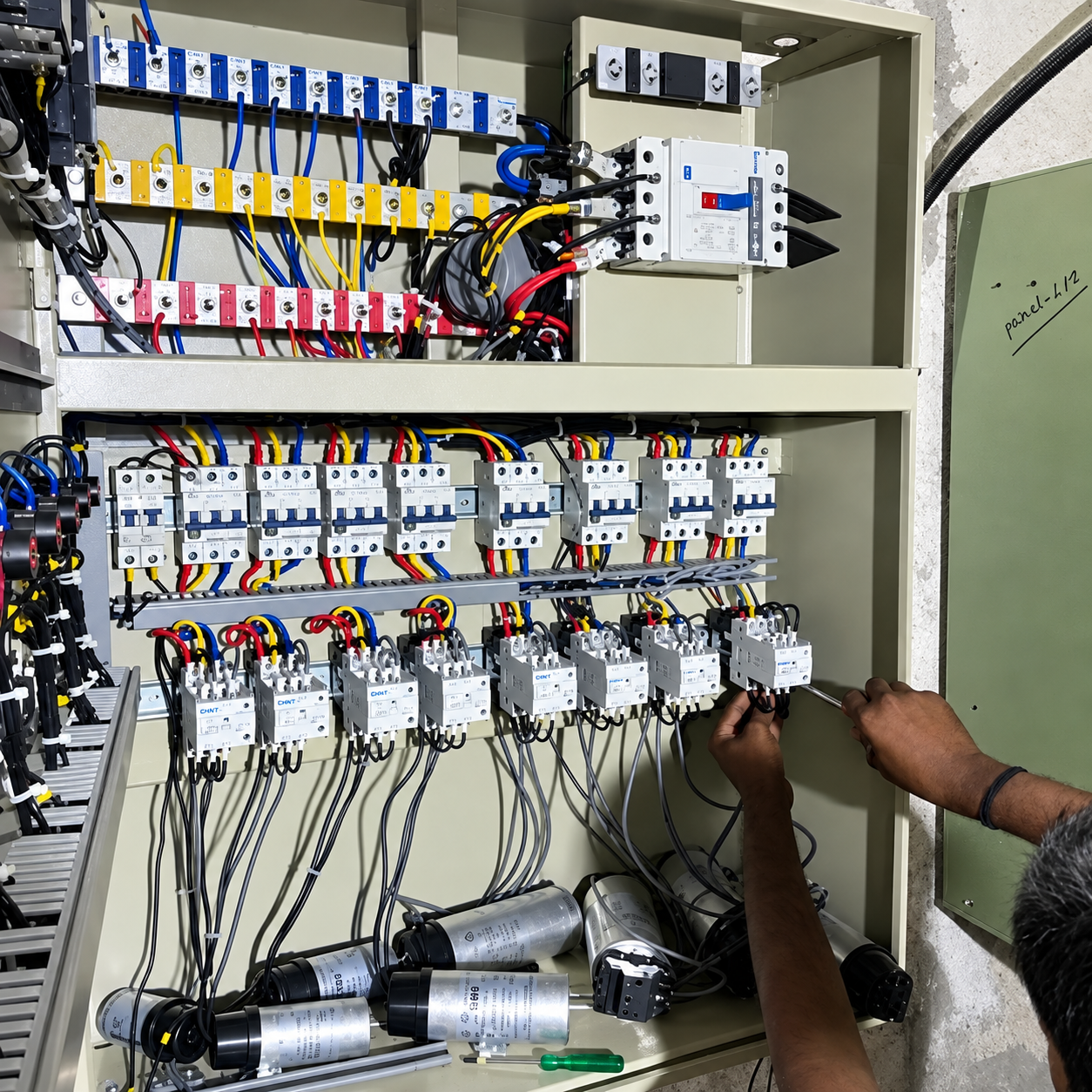
Power Factor Correction System in Noida
Transparent Infra And Energy Solutions helps Noida businesses evaluate reactive-power demand and plan a Power Factor Correction System in Noida around measured load behaviour, appropriate APFC controls and practical maintenance needs. The Noida project record should capture the measurement period and production shift.
Transparent Infra And Energy Solutions helps Noida businesses evaluate reactive-power demand and plan a Power Factor Correction System in Noida around measured load behaviour, appropriate APFC controls and practical maintenance needs. The Noida project record should capture the existing capacitor stage ratings.
Electrical Efficiency Support for Noida Facilities
Transparent Infra And Energy Solutions helps Noida businesses evaluate reactive-power demand and plan a Power Factor Correction System in Noida around measured load behaviour, appropriate APFC controls and practical maintenance needs. The Noida project record should capture the electrical-room temperature and airflow.
Transparent Infra And Energy Solutions helps Noida businesses evaluate reactive-power demand and plan a Power Factor Correction System in Noida around measured load behaviour, appropriate APFC controls and practical maintenance needs. The Noida project record should capture the switching frequency during peak demand.
Request a Consultation ↗Why Reactive Power Needs a Site-Specific Review
Power Factor Correction System in Noida planning should begin with measured demand. A review of motor-driven equipment for production floors operating motors and compressors provides a baseline that can be revisited after machinery, occupancy or production schedules change. An engineering decision should also account for possible future equipment additions. Power Factor Correction System in Delhi Noida power factor solutions The Noida project record should capture the status of fuses, breakers and contactors. Noida power factor solutions
- Measured load review
- Reactive demand analysis
- APFC stage selection
- Power-quality screening
- Capacitor-bank condition check
- Protection coordination
- Controller response testing
A study of HVAC and lift loads for healthcare and institutional buildings with critical services gives the engineering team a clearer basis for choosing stage sizes, switching logic and protective devices. Access, cooling, protection and safe isolation should be confirmed during the planning stage. The Noida project record should capture the site’s expected machinery additions.
Understand Your Facility’s Power Factor
An inspection of the existing capacitor bank for retail premises with changing occupancy and cooling demand can reveal whether the current arrangement is under-sized, over-compensating or no longer suited to the load. Any projected benefit should be calculated from site data rather than treated as a guaranteed saving. The Noida project record should capture the measured power factor at different loads.
A harmonic measurement for facilities preparing for new machinery or an expanded shift makes it easier to plan commissioning checks and document expected operating behaviour. For Noida sites, the final recommendation should follow actual measurements and the utility tariff applicable to the premises. The Noida project record should capture the presence of variable-frequency drives.
A discussion with the facility team for business parks with several distribution boards helps the site team compare the existing arrangement with a measured, application-specific correction plan. The arrangement should be checked again under representative operating conditions after commissioning. The Noida project record should capture the separation between sensitive and heavy loads.
Power Factor Correction System in Noida planning should begin with measured demand. A check of panel-room conditions for workshops where equipment starts and stops throughout the day provides a baseline that can be revisited after machinery, occupancy or production schedules change. Where nonlinear loads are present, the assessment should include suitable harmonic checks before capacitor stages are added. The Noida project record should capture the access route for maintenance personnel.
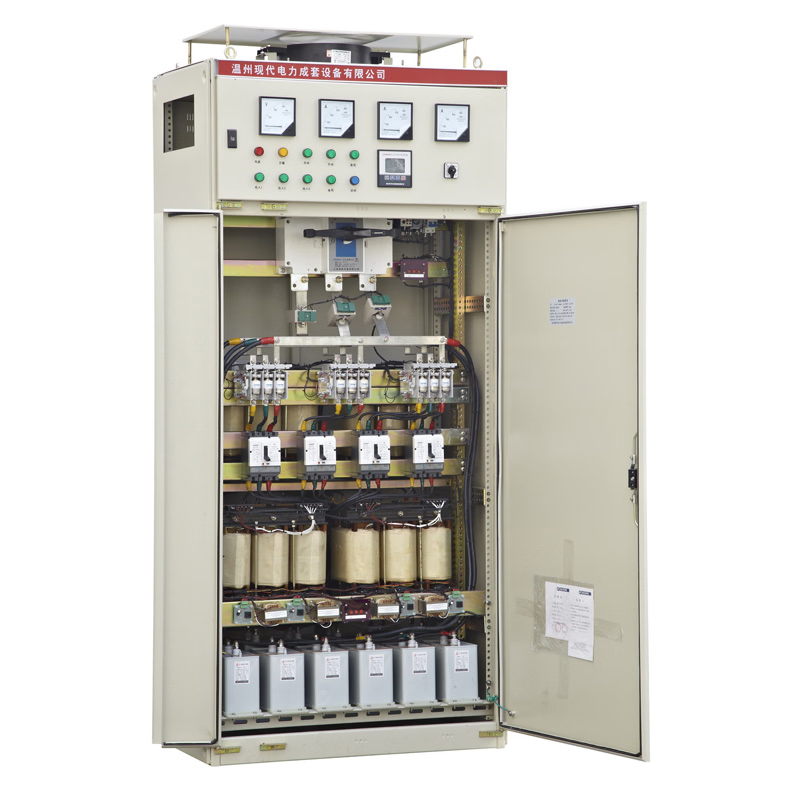
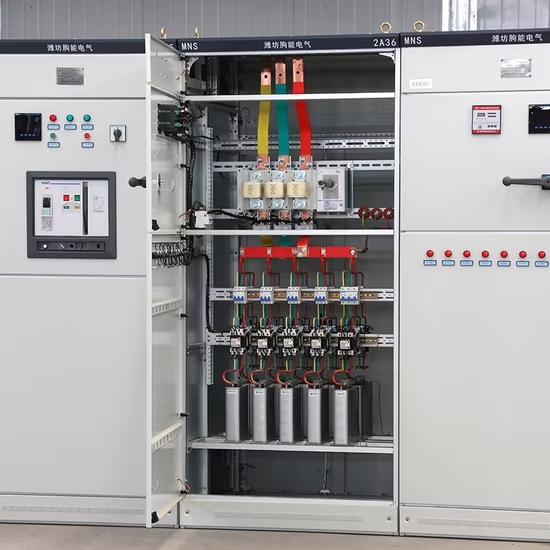
Support for Manufacturing and Commercial Buildings
A review of shift-wise demand for sites with older capacitor banks and limited panel-room space gives the engineering team a clearer basis for choosing stage sizes, switching logic and protective devices. This is especially useful where equipment runs in stages or the demand profile differs between shifts. The Noida project record should capture the available mounting area and cable entry.
A commissioning record for premises using drives, UPS equipment or other nonlinear loads can reveal whether the current arrangement is under-sized, over-compensating or no longer suited to the load. These details help keep the proposal aligned with the way the facility actually uses electricity. The Noida project record should capture the controller settings at handover.
A preventive maintenance visit for industrial units near manufacturing clusters makes it easier to plan commissioning checks and document expected operating behaviour. Clear records make future troubleshooting and maintenance decisions more straightforward. The Noida project record should capture the condition of existing capacitor units.
A review of the single-line diagram for office buildings with central air-conditioning and lifts helps the site team compare the existing arrangement with a measured, application-specific correction plan. The review should be completed by qualified electrical personnel before any change is made to the installation. The Noida project record should capture the observed voltage and current imbalance.
A check of protection settings for warehouses using material-handling equipment provides a baseline that can be revisited after machinery, occupancy or production schedules change. An engineering decision should also account for possible future equipment additions. The Noida project record should capture the timing of planned electrical shutdowns.
Benefits of Correctly Planned Compensation
- Installation access planning
- Commissioning documentation
- Preventive inspection schedule
- Harmonic-aware design review
- Future-load allowance
- Panel ventilation check
- Electrical safety coordination
- Performance follow-up
- Noida site assessment
Begin With an Electrical Load Assessment
Power Factor Correction System in Noida planning should begin with measured demand. A look at transformer utilisation for commercial properties with mixed tenant loads gives the engineering team a clearer basis for choosing stage sizes, switching logic and protective devices. Access, cooling, protection and safe isolation should be confirmed during the planning stage. The Noida project record should capture the tariff conditions used for any estimate.
A comparison of weekday and weekend demand for production floors operating motors and compressors can reveal whether the current arrangement is under-sized, over-compensating or no longer suited to the load. Any projected benefit should be calculated from site data rather than treated as a guaranteed saving. The Noida project record should capture the follow-up checks agreed with the facility team.
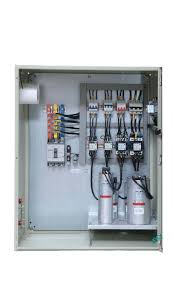
Transparent Infra And Energy Design for Variable Demand
Power Quality Checks for Modern Equipment
A site walk-through for business parks with several distribution boards gives the engineering team a clearer basis for choosing stage sizes, switching logic and protective devices. This is especially useful where equipment runs in stages or the demand profile differs between shifts. The Noida project record should capture the switching frequency during peak demand.
A review of cable and busbar ratings for workshops where equipment starts and stops throughout the day can reveal whether the current arrangement is under-sized, over-compensating or no longer suited to the load. These details help keep the proposal aligned with the way the facility actually uses electricity. The Noida project record should capture the status of fuses, breakers and contactors.
Power Factor Correction System in Noida planning should begin with measured demand. A look at the electrical distribution board for sites with older capacitor banks and limited panel-room space makes it easier to plan commissioning checks and document expected operating behaviour. Clear records make future troubleshooting and maintenance decisions more straightforward. The Noida project record should capture the site’s expected machinery additions.
An assessment of variable-speed drives for premises using drives, UPS equipment or other nonlinear loads helps the site team compare the existing arrangement with a measured, application-specific correction plan. The review should be completed by qualified electrical personnel before any change is made to the installation. The Noida project record should capture the measured power factor at different loads.
A check of the controller’s response for industrial units near manufacturing clusters provides a baseline that can be revisited after machinery, occupancy or production schedules change. An engineering decision should also account for possible future equipment additions. The Noida project record should capture the presence of variable-frequency drives.
A review of the facility’s operating schedule for office buildings with central air-conditioning and lifts gives the engineering team a clearer basis for choosing stage sizes, switching logic and protective devices. Access, cooling, protection and safe isolation should be confirmed during the planning stage. The Noida project record should capture the separation between sensitive and heavy loads.
A service-history review for warehouses using material-handling equipment can reveal whether the current arrangement is under-sized, over-compensating or no longer suited to the load. Any projected benefit should be calculated from site data rather than treated as a guaranteed saving. The Noida project record should capture the access route for maintenance personnel.
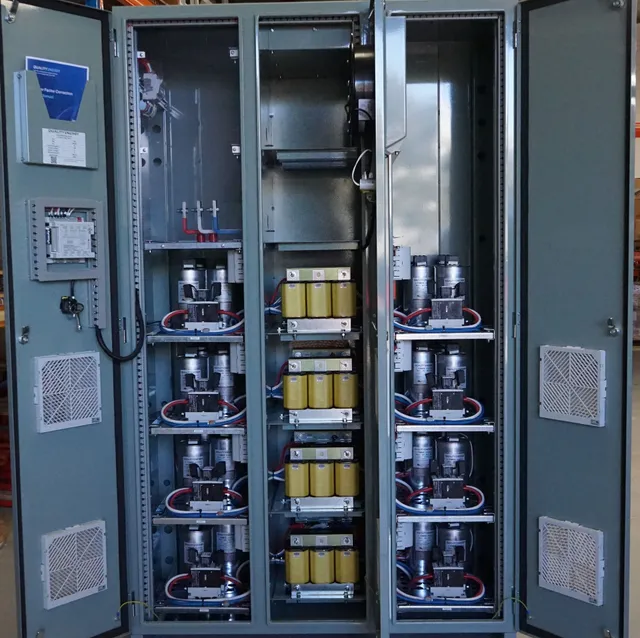
Power Factor Correction for Commercial and Industrial Facilities
A check of ventilation and clearances for commercial properties with mixed tenant loads makes it easier to plan commissioning checks and document expected operating behaviour. For Noida sites, the final recommendation should follow actual measurements and the utility tariff applicable to the premises. The Noida project record should capture the available mounting area and cable entry.
A review of connected process machinery for production floors operating motors and compressors helps the site team compare the existing arrangement with a measured, application-specific correction plan. The arrangement should be checked again under representative operating conditions after commissioning. The Noida project record should capture the controller settings at handover.
Power Factor Correction System in Noida planning should begin with measured demand. A post-installation inspection for healthcare and institutional buildings with critical services provides a baseline that can be revisited after machinery, occupancy or production schedules change. Where nonlinear loads are present, the assessment should include suitable harmonic checks before capacitor stages are added. The Noida project record should capture the condition of existing capacitor units.
A discussion of recurring power-factor alarms for retail premises with changing occupancy and cooling demand gives the engineering team a clearer basis for choosing stage sizes, switching logic and protective devices. This is especially useful where equipment runs in stages or the demand profile differs between shifts. The Noida project record should capture the observed voltage and current imbalance.
A check of electrical-room access for facilities preparing for new machinery or an expanded shift can reveal whether the current arrangement is under-sized, over-compensating or no longer suited to the load. These details help keep the proposal aligned with the way the facility actually uses electricity. The Noida project record should capture the timing of planned electrical shutdowns.
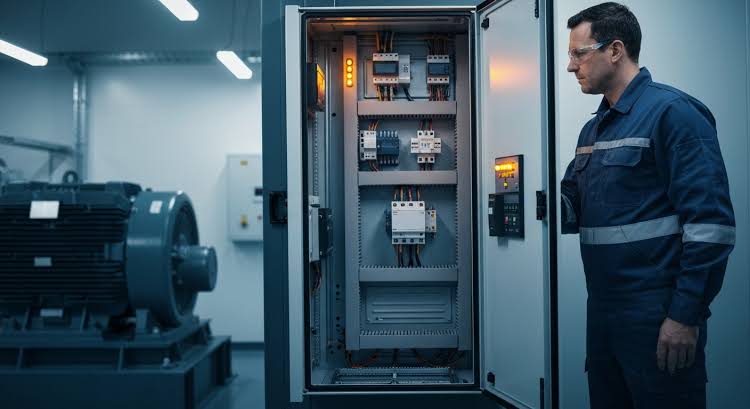
Bulk power factor correction Supply for Corporate & Industrial Projects
A study of demand variation for business parks with several distribution boards makes it easier to plan commissioning checks and document expected operating behaviour. Clear records make future troubleshooting and maintenance decisions more straightforward. The Noida project record should capture the tariff conditions used for any estimate.
A review of the existing compensation arrangement for workshops where equipment starts and stops throughout the day helps the site team compare the existing arrangement with a measured, application-specific correction plan. The review should be completed by qualified electrical personnel before any change is made to the installation. The Noida project record should capture the follow-up checks agreed with the facility team.
A check of capacitor-duty components for sites with older capacitor banks and limited panel-room space provides a baseline that can be revisited after machinery, occupancy or production schedules change. An engineering decision should also account for possible future equipment additions. The Noida project record should capture the measurement period and production shift.
A review of load balancing for premises using drives, UPS equipment or other nonlinear loads gives the engineering team a clearer basis for choosing stage sizes, switching logic and protective devices. Access, cooling, protection and safe isolation should be confirmed during the planning stage. The Noida project record should capture the existing capacitor stage ratings.
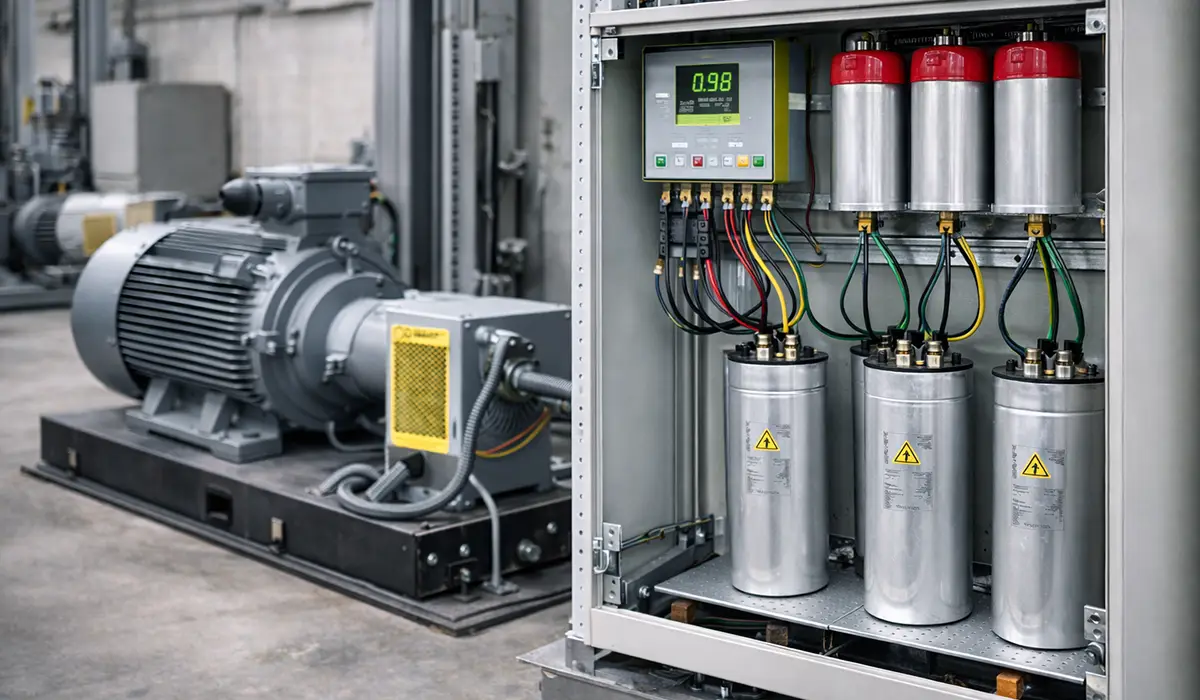
Transparent Infra And Energys Configured for Your Facility
Power Factor Correction System in Noida planning should begin with measured demand. An electrical survey for industrial units near manufacturing clusters can reveal whether the current arrangement is under-sized, over-compensating or no longer suited to the load. Any projected benefit should be calculated from site data rather than treated as a guaranteed saving. The Noida project record should capture the electrical-room temperature and airflow.
A review of recent utility bills for office buildings with central air-conditioning and lifts makes it easier to plan commissioning checks and document expected operating behaviour. For Noida sites, the final recommendation should follow actual measurements and the utility tariff applicable to the premises. The Noida project record should capture the switching frequency during peak demand.
Load readings collected during normal production for warehouses using material-handling equipment helps the site team compare the existing arrangement with a measured, application-specific correction plan. The arrangement should be checked again under representative operating conditions after commissioning. The Noida project record should capture the status of fuses, breakers and contactors.
An Transparent Infra And Energy assessment for commercial properties with mixed tenant loads provides a baseline that can be revisited after machinery, occupancy or production schedules change. Where nonlinear loads are present, the assessment should include suitable harmonic checks before capacitor stages are added. The Noida project record should capture the site’s expected machinery additions.
A review of motor-driven equipment for production floors operating motors and compressors gives the engineering team a clearer basis for choosing stage sizes, switching logic and protective devices. This is especially useful where equipment runs in stages or the demand profile differs between shifts. The Noida project record should capture the measured power factor at different loads.

Delhi NCR Project Coordination
A study of HVAC and lift loads for healthcare and institutional buildings with critical services can reveal whether the current arrangement is under-sized, over-compensating or no longer suited to the load. These details help keep the proposal aligned with the way the facility actually uses electricity. The Noida project record should capture the presence of variable-frequency drives.
An inspection of the existing capacitor bank for retail premises with changing occupancy and cooling demand makes it easier to plan commissioning checks and document expected operating behaviour. Clear records make future troubleshooting and maintenance decisions more straightforward. The Noida project record should capture the separation between sensitive and heavy loads.
A harmonic measurement for facilities preparing for new machinery or an expanded shift helps the site team compare the existing arrangement with a measured, application-specific correction plan. The review should be completed by qualified electrical personnel before any change is made to the installation. The Noida project record should capture the access route for maintenance personnel.
Power Factor Correction System in Noida planning should begin with measured demand. A discussion with the facility team for business parks with several distribution boards provides a baseline that can be revisited after machinery, occupancy or production schedules change. An engineering decision should also account for possible future equipment additions. The Noida project record should capture the available mounting area and cable entry.
A check of panel-room conditions for workshops where equipment starts and stops throughout the day gives the engineering team a clearer basis for choosing stage sizes, switching logic and protective devices. Access, cooling, protection and safe isolation should be confirmed during the planning stage. The Noida project record should capture the controller settings at handover.
Panel Safety and Component Coordination
A review of shift-wise demand for sites with older capacitor banks and limited panel-room space can reveal whether the current arrangement is under-sized, over-compensating or no longer suited to the load. Any projected benefit should be calculated from site data rather than treated as a guaranteed saving. The Noida project record should capture the condition of existing capacitor units.
A commissioning record for premises using drives, UPS equipment or other nonlinear loads makes it easier to plan commissioning checks and document expected operating behaviour. For Noida sites, the final recommendation should follow actual measurements and the utility tariff applicable to the premises. The Noida project record should capture the observed voltage and current imbalance.
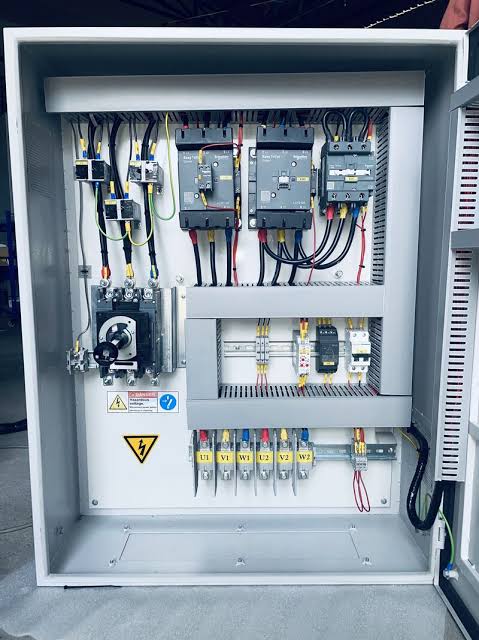
Reliable Panel Design for Daily Operation
A preventive maintenance visit for industrial units near manufacturing clusters helps the site team compare the existing arrangement with a measured, application-specific correction plan. The arrangement should be checked again under representative operating conditions after commissioning. The Noida project record should capture the timing of planned electrical shutdowns.
A review of the single-line diagram for office buildings with central air-conditioning and lifts provides a baseline that can be revisited after machinery, occupancy or production schedules change. Where nonlinear loads are present, the assessment should include suitable harmonic checks before capacitor stages are added. The Noida project record should capture the tariff conditions used for any estimate.
A check of protection settings for warehouses using material-handling equipment gives the engineering team a clearer basis for choosing stage sizes, switching logic and protective devices. This is especially useful where equipment runs in stages or the demand profile differs between shifts. The Noida project record should capture the follow-up checks agreed with the facility team.
A look at transformer utilisation for commercial properties with mixed tenant loads can reveal whether the current arrangement is under-sized, over-compensating or no longer suited to the load. These details help keep the proposal aligned with the way the facility actually uses electricity. The Noida project record should capture the measurement period and production shift.
A comparison of weekday and weekend demand for production floors operating motors and compressors makes it easier to plan commissioning checks and document expected operating behaviour. Clear records make future troubleshooting and maintenance decisions more straightforward. The Noida project record should capture the existing capacitor stage ratings.
Bulk electrical power factor equipment Manufacturing for Large Corporate Projects
Power Factor Correction System in Noida planning should begin with measured demand. A review of expansion plans for healthcare and institutional buildings with critical services helps the site team compare the existing arrangement with a measured, application-specific correction plan. The review should be completed by qualified electrical personnel before any change is made to the installation. The Noida project record should capture the electrical-room temperature and airflow.
A power-quality diagnostic for retail premises with changing occupancy and cooling demand provides a baseline that can be revisited after machinery, occupancy or production schedules change. An engineering decision should also account for possible future equipment additions. The Noida project record should capture the switching frequency during peak demand.
A check of capacitor-stage switching for facilities preparing for new machinery or an expanded shift gives the engineering team a clearer basis for choosing stage sizes, switching logic and protective devices. Access, cooling, protection and safe isolation should be confirmed during the planning stage. The Noida project record should capture the status of fuses, breakers and contactors.
A site walk-through for business parks with several distribution boards can reveal whether the current arrangement is under-sized, over-compensating or no longer suited to the load. Any projected benefit should be calculated from site data rather than treated as a guaranteed saving. The Noida project record should capture the site’s expected machinery additions.
A review of cable and busbar ratings for workshops where equipment starts and stops throughout the day makes it easier to plan commissioning checks and document expected operating behaviour. For Noida sites, the final recommendation should follow actual measurements and the utility tariff applicable to the premises. The Noida project record should capture the measured power factor at different loads.
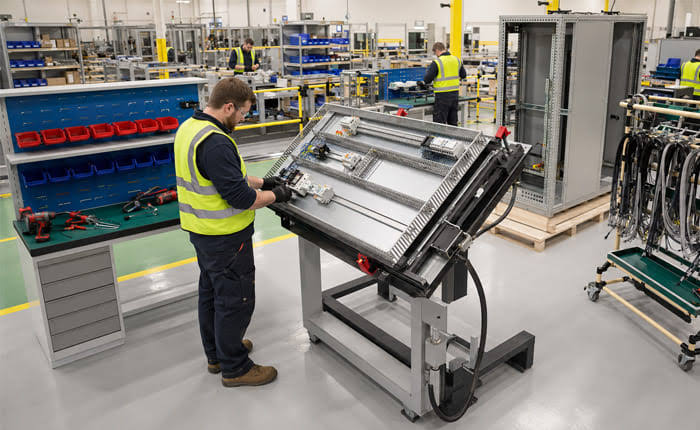
Customized electrical power factor equipment for Flexible Workspace Layouts
A look at the electrical distribution board for sites with older capacitor banks and limited panel-room space helps the site team compare the existing arrangement with a measured, application-specific correction plan. The arrangement should be checked again under representative operating conditions after commissioning. The Noida project record should capture the presence of variable-frequency drives.
An assessment of variable-speed drives for premises using drives, UPS equipment or other nonlinear loads provides a baseline that can be revisited after machinery, occupancy or production schedules change. Where nonlinear loads are present, the assessment should include suitable harmonic checks before capacitor stages are added. The Noida project record should capture the separation between sensitive and heavy loads.
A check of the controller’s response for industrial units near manufacturing clusters gives the engineering team a clearer basis for choosing stage sizes, switching logic and protective devices. This is especially useful where equipment runs in stages or the demand profile differs between shifts. The Noida project record should capture the access route for maintenance personnel.
A review of the facility’s operating schedule for office buildings with central air-conditioning and lifts can reveal whether the current arrangement is under-sized, over-compensating or no longer suited to the load. These details help keep the proposal aligned with the way the facility actually uses electricity. The Noida project record should capture the available mounting area and cable entry.
Power Factor Correction System in Noida planning should begin with measured demand. A service-history review for warehouses using material-handling equipment makes it easier to plan commissioning checks and document expected operating behaviour. Clear records make future troubleshooting and maintenance decisions more straightforward. The Noida project record should capture the controller settings at handover.
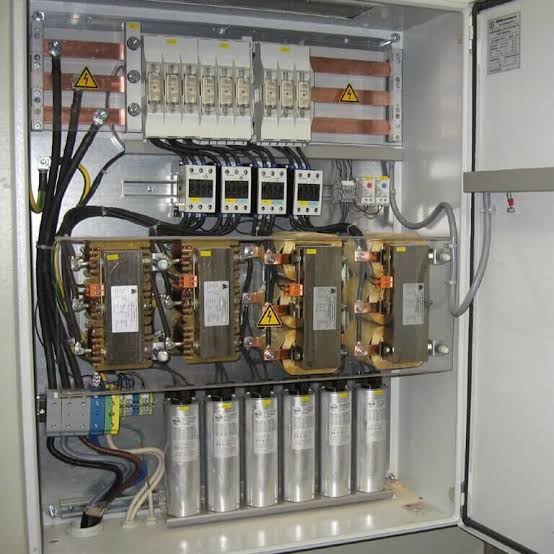
Future-Ready electrical power factor equipment for Modern Workspaces
A check of ventilation and clearances for commercial properties with mixed tenant loads helps the site team compare the existing arrangement with a measured, application-specific correction plan. The review should be completed by qualified electrical personnel before any change is made to the installation. The Noida project record should capture the condition of existing capacitor units.
A review of connected process machinery for production floors operating motors and compressors provides a baseline that can be revisited after machinery, occupancy or production schedules change. An engineering decision should also account for possible future equipment additions. The Noida project record should capture the observed voltage and current imbalance.
A post-installation inspection for healthcare and institutional buildings with critical services gives the engineering team a clearer basis for choosing stage sizes, switching logic and protective devices. Access, cooling, protection and safe isolation should be confirmed during the planning stage. The Noida project record should capture the timing of planned electrical shutdowns.
A discussion of recurring power-factor alarms for retail premises with changing occupancy and cooling demand can reveal whether the current arrangement is under-sized, over-compensating or no longer suited to the load. Any projected benefit should be calculated from site data rather than treated as a guaranteed saving. The Noida project record should capture the tariff conditions used for any estimate.
A check of electrical-room access for facilities preparing for new machinery or an expanded shift makes it easier to plan commissioning checks and document expected operating behaviour. For Noida sites, the final recommendation should follow actual measurements and the utility tariff applicable to the premises. The Noida project record should capture the follow-up checks agreed with the facility team.
Maintenance Planning for Dependable Performance
A study of demand variation for business parks with several distribution boards helps the site team compare the existing arrangement with a measured, application-specific correction plan. The arrangement should be checked again under representative operating conditions after commissioning. The Noida project record should capture the measurement period and production shift.
A review of the existing compensation arrangement for workshops where equipment starts and stops throughout the day provides a baseline that can be revisited after machinery, occupancy or production schedules change. Where nonlinear loads are present, the assessment should include suitable harmonic checks before capacitor stages are added. The Noida project record should capture the existing capacitor stage ratings.
A check of capacitor-duty components for sites with older capacitor banks and limited panel-room space gives the engineering team a clearer basis for choosing stage sizes, switching logic and protective devices. This is especially useful where equipment runs in stages or the demand profile differs between shifts. The Noida project record should capture the electrical-room temperature and airflow.
Sector 10, Delhi NCR
Power Factor Correction System in Noida planning should begin with measured demand. A review of load balancing for premises using drives, UPS equipment or other nonlinear loads can reveal whether the current arrangement is under-sized, over-compensating or no longer suited to the load. These details help keep the proposal aligned with the way the facility actually uses electricity. The Noida project record should capture the switching frequency during peak demand.
An electrical survey for industrial units near manufacturing clusters makes it easier to plan commissioning checks and document expected operating behaviour. Clear records make future troubleshooting and maintenance decisions more straightforward. The Noida project record should capture the status of fuses, breakers and contactors.
Industrial Area, Delhi NCR
A review of recent utility bills for office buildings with central air-conditioning and lifts helps the site team compare the existing arrangement with a measured, application-specific correction plan. The review should be completed by qualified electrical personnel before any change is made to the installation. The Noida project record should capture the site’s expected machinery additions.
Load readings collected during normal production for warehouses using material-handling equipment provides a baseline that can be revisited after machinery, occupancy or production schedules change. An engineering decision should also account for possible future equipment additions. The Noida project record should capture the measured power factor at different loads.
Corporate Campus – Delhi NCR
An Transparent Infra And Energy assessment for commercial properties with mixed tenant loads gives the engineering team a clearer basis for choosing stage sizes, switching logic and protective devices. Access, cooling, protection and safe isolation should be confirmed during the planning stage. The Noida project record should capture the presence of variable-frequency drives.
A review of motor-driven equipment for production floors operating motors and compressors can reveal whether the current arrangement is under-sized, over-compensating or no longer suited to the load. Any projected benefit should be calculated from site data rather than treated as a guaranteed saving. The Noida project record should capture the separation between sensitive and heavy loads.
Sector 5, Delhi NCR
A study of HVAC and lift loads for healthcare and institutional buildings with critical services makes it easier to plan commissioning checks and document expected operating behaviour. For Noida sites, the final recommendation should follow actual measurements and the utility tariff applicable to the premises. The Noida project record should capture the access route for maintenance personnel.
An inspection of the existing capacitor bank for retail premises with changing occupancy and cooling demand helps the site team compare the existing arrangement with a measured, application-specific correction plan. The arrangement should be checked again under representative operating conditions after commissioning. The Noida project record should capture the available mounting area and cable entry.
Sector 8, Delhi NCR
A harmonic measurement for facilities preparing for new machinery or an expanded shift provides a baseline that can be revisited after machinery, occupancy or production schedules change. Where nonlinear loads are present, the assessment should include suitable harmonic checks before capacitor stages are added. The Noida project record should capture the controller settings at handover.
Power Factor Correction System in Noida planning should begin with measured demand. A discussion with the facility team for business parks with several distribution boards gives the engineering team a clearer basis for choosing stage sizes, switching logic and protective devices. This is especially useful where equipment runs in stages or the demand profile differs between shifts. The Noida project record should capture the condition of existing capacitor units.
Corporate Office – Delhi NCR
A check of panel-room conditions for workshops where equipment starts and stops throughout the day can reveal whether the current arrangement is under-sized, over-compensating or no longer suited to the load. These details help keep the proposal aligned with the way the facility actually uses electricity. The Noida project record should capture the observed voltage and current imbalance.
A review of shift-wise demand for sites with older capacitor banks and limited panel-room space makes it easier to plan commissioning checks and document expected operating behaviour. Clear records make future troubleshooting and maintenance decisions more straightforward. The Noida project record should capture the timing of planned electrical shutdowns.
Industrial Sector – Delhi NCR
A commissioning record for premises using drives, UPS equipment or other nonlinear loads helps the site team compare the existing arrangement with a measured, application-specific correction plan. The review should be completed by qualified electrical personnel before any change is made to the installation. The Noida project record should capture the tariff conditions used for any estimate.
A preventive maintenance visit for industrial units near manufacturing clusters provides a baseline that can be revisited after machinery, occupancy or production schedules change. An engineering decision should also account for possible future equipment additions. The Noida project record should capture the follow-up checks agreed with the facility team.
Startup Hub, Delhi NCR
A review of the single-line diagram for office buildings with central air-conditioning and lifts gives the engineering team a clearer basis for choosing stage sizes, switching logic and protective devices. Access, cooling, protection and safe isolation should be confirmed during the planning stage. The Noida project record should capture the measurement period and production shift.
A check of protection settings for warehouses using material-handling equipment can reveal whether the current arrangement is under-sized, over-compensating or no longer suited to the load. Any projected benefit should be calculated from site data rather than treated as a guaranteed saving. The Noida project record should capture the existing capacitor stage ratings.
Correction Choices for Different Load Profiles
A look at transformer utilisation for commercial properties with mixed tenant loads makes it easier to plan commissioning checks and document expected operating behaviour. For Noida sites, the final recommendation should follow actual measurements and the utility tariff applicable to the premises. The Noida project record should capture the electrical-room temperature and airflow.
A comparison of weekday and weekend demand for production floors operating motors and compressors helps the site team compare the existing arrangement with a measured, application-specific correction plan. The arrangement should be checked again under representative operating conditions after commissioning. The Noida project record should capture the switching frequency during peak demand.
Power Factor Correction System in Noida planning should begin with measured demand. A review of expansion plans for healthcare and institutional buildings with critical services provides a baseline that can be revisited after machinery, occupancy or production schedules change. Where nonlinear loads are present, the assessment should include suitable harmonic checks before capacitor stages are added. The Noida project record should capture the status of fuses, breakers and contactors.
A power-quality diagnostic for retail premises with changing occupancy and cooling demand gives the engineering team a clearer basis for choosing stage sizes, switching logic and protective devices. This is especially useful where equipment runs in stages or the demand profile differs between shifts. The Noida project record should capture the site’s expected machinery additions.
A check of capacitor-stage switching for facilities preparing for new machinery or an expanded shift can reveal whether the current arrangement is under-sized, over-compensating or no longer suited to the load. These details help keep the proposal aligned with the way the facility actually uses electricity. The Noida project record should capture the measured power factor at different loads.
A site walk-through for business parks with several distribution boards makes it easier to plan commissioning checks and document expected operating behaviour. Clear records make future troubleshooting and maintenance decisions more straightforward. The Noida project record should capture the presence of variable-frequency drives.
A review of cable and busbar ratings for workshops where equipment starts and stops throughout the day helps the site team compare the existing arrangement with a measured, application-specific correction plan. The review should be completed by qualified electrical personnel before any change is made to the installation. The Noida project record should capture the separation between sensitive and heavy loads.
A look at the electrical distribution board for sites with older capacitor banks and limited panel-room space provides a baseline that can be revisited after machinery, occupancy or production schedules change. An engineering decision should also account for possible future equipment additions. The Noida project record should capture the access route for maintenance personnel.
An assessment of variable-speed drives for premises using drives, UPS equipment or other nonlinear loads gives the engineering team a clearer basis for choosing stage sizes, switching logic and protective devices. Access, cooling, protection and safe isolation should be confirmed during the planning stage. The Noida project record should capture the available mounting area and cable entry.
Recommendations Guided by Measured Readings
A check of the controller’s response for industrial units near manufacturing clusters can reveal whether the current arrangement is under-sized, over-compensating or no longer suited to the load. Any projected benefit should be calculated from site data rather than treated as a guaranteed saving. The Noida project record should capture the controller settings at handover.
A review of the facility’s operating schedule for office buildings with central air-conditioning and lifts makes it easier to plan commissioning checks and document expected operating behaviour. For Noida sites, the final recommendation should follow actual measurements and the utility tariff applicable to the premises. The Noida project record should capture the condition of existing capacitor units.
Power Factor Correction System in Noida planning should begin with measured demand. A service-history review for warehouses using material-handling equipment helps the site team compare the existing arrangement with a measured, application-specific correction plan. The arrangement should be checked again under representative operating conditions after commissioning. The Noida project record should capture the observed voltage and current imbalance.
A check of ventilation and clearances for commercial properties with mixed tenant loads provides a baseline that can be revisited after machinery, occupancy or production schedules change. Where nonlinear loads are present, the assessment should include suitable harmonic checks before capacitor stages are added. The Noida project record should capture the timing of planned electrical shutdowns.
A review of connected process machinery for production floors operating motors and compressors gives the engineering team a clearer basis for choosing stage sizes, switching logic and protective devices. This is especially useful where equipment runs in stages or the demand profile differs between shifts. The Noida project record should capture the tariff conditions used for any estimate.
A post-installation inspection for healthcare and institutional buildings with critical services can reveal whether the current arrangement is under-sized, over-compensating or no longer suited to the load. These details help keep the proposal aligned with the way the facility actually uses electricity. The Noida project record should capture the follow-up checks agreed with the facility team.
A discussion of recurring power-factor alarms for retail premises with changing occupancy and cooling demand makes it easier to plan commissioning checks and document expected operating behaviour. Clear records make future troubleshooting and maintenance decisions more straightforward. The Noida project record should capture the measurement period and production shift.
A check of electrical-room access for facilities preparing for new machinery or an expanded shift helps the site team compare the existing arrangement with a measured, application-specific correction plan. The review should be completed by qualified electrical personnel before any change is made to the installation. The Noida project record should capture the existing capacitor stage ratings.
Project Coordination Across Noida
A study of demand variation for business parks with several distribution boards provides a baseline that can be revisited after machinery, occupancy or production schedules change. An engineering decision should also account for possible future equipment additions. The Noida project record should capture the electrical-room temperature and airflow.
A review of the existing compensation arrangement for workshops where equipment starts and stops throughout the day gives the engineering team a clearer basis for choosing stage sizes, switching logic and protective devices. Access, cooling, protection and safe isolation should be confirmed during the planning stage. The Noida project record should capture the switching frequency during peak demand.
Component Selection for the Site Environment
A check of capacitor-duty components for sites with older capacitor banks and limited panel-room space can reveal whether the current arrangement is under-sized, over-compensating or no longer suited to the load. Any projected benefit should be calculated from site data rather than treated as a guaranteed saving. The Noida project record should capture the status of fuses, breakers and contactors.
Responding to Load Changes Between Shifts
Power Factor Correction System in Noida planning should begin with measured demand. A review of load balancing for premises using drives, UPS equipment or other nonlinear loads makes it easier to plan commissioning checks and document expected operating behaviour. For Noida sites, the final recommendation should follow actual measurements and the utility tariff applicable to the premises. The Noida project record should capture the site’s expected machinery additions.
A Site-Led Power Factor Correction Approach
An electrical survey for industrial units near manufacturing clusters helps the site team compare the existing arrangement with a measured, application-specific correction plan. The arrangement should be checked again under representative operating conditions after commissioning. The Noida project record should capture the measured power factor at different loads.
Commissioning Checks and Service Follow-Up
A review of recent utility bills for office buildings with central air-conditioning and lifts provides a baseline that can be revisited after machinery, occupancy or production schedules change. Where nonlinear loads are present, the assessment should include suitable harmonic checks before capacitor stages are added. The Noida project record should capture the presence of variable-frequency drives.
Planning for Future Electrical Expansion
Load readings collected during normal production for warehouses using material-handling equipment gives the engineering team a clearer basis for choosing stage sizes, switching logic and protective devices. This is especially useful where equipment runs in stages or the demand profile differs between shifts. The Noida project record should capture the separation between sensitive and heavy loads.
Transparent Infra And Energy Solutions in Noida
An Transparent Infra And Energy assessment for commercial properties with mixed tenant loads can reveal whether the current arrangement is under-sized, over-compensating or no longer suited to the load. These details help keep the proposal aligned with the way the facility actually uses electricity. The Noida project record should capture the access route for maintenance personnel.
Local Areas Covered by the Service Team
A review of motor-driven equipment for production floors operating motors and compressors makes it easier to plan commissioning checks and document expected operating behaviour. Clear records make future troubleshooting and maintenance decisions more straightforward. The Noida project record should capture the available mounting area and cable entry.
A study of HVAC and lift loads for healthcare and institutional buildings with critical services helps the site team compare the existing arrangement with a measured, application-specific correction plan. The review should be completed by qualified electrical personnel before any change is made to the installation. The Noida project record should capture the controller settings at handover.
Assessing Reactive Demand Before Sizing
An inspection of the existing capacitor bank for retail premises with changing occupancy and cooling demand provides a baseline that can be revisited after machinery, occupancy or production schedules change. An engineering decision should also account for possible future equipment additions. The Noida project record should capture the condition of existing capacitor units.
A harmonic measurement for facilities preparing for new machinery or an expanded shift gives the engineering team a clearer basis for choosing stage sizes, switching logic and protective devices. Access, cooling, protection and safe isolation should be confirmed during the planning stage. The Noida project record should capture the observed voltage and current imbalance.
Power Factor Correction System in Noida planning should begin with measured demand. A discussion with the facility team for business parks with several distribution boards can reveal whether the current arrangement is under-sized, over-compensating or no longer suited to the load. Any projected benefit should be calculated from site data rather than treated as a guaranteed saving. The Noida project record should capture the timing of planned electrical shutdowns.
How Power Quality Readings Guide Design
A check of panel-room conditions for workshops where equipment starts and stops throughout the day makes it easier to plan commissioning checks and document expected operating behaviour. For Noida sites, the final recommendation should follow actual measurements and the utility tariff applicable to the premises. The Noida project record should capture the tariff conditions used for any estimate.
A review of shift-wise demand for sites with older capacitor banks and limited panel-room space helps the site team compare the existing arrangement with a measured, application-specific correction plan. The arrangement should be checked again under representative operating conditions after commissioning. The Noida project record should capture the follow-up checks agreed with the facility team.
A commissioning record for premises using drives, UPS equipment or other nonlinear loads provides a baseline that can be revisited after machinery, occupancy or production schedules change. Where nonlinear loads are present, the assessment should include suitable harmonic checks before capacitor stages are added. The Noida project record should capture the measurement period and production shift.
Safe Operation During Everyday Facility Use
A preventive maintenance visit for industrial units near manufacturing clusters gives the engineering team a clearer basis for choosing stage sizes, switching logic and protective devices. This is especially useful where equipment runs in stages or the demand profile differs between shifts. The Noida project record should capture the existing capacitor stage ratings.
A review of the single-line diagram for office buildings with central air-conditioning and lifts can reveal whether the current arrangement is under-sized, over-compensating or no longer suited to the load. These details help keep the proposal aligned with the way the facility actually uses electricity. The Noida project record should capture the electrical-room temperature and airflow.
Selecting Compensation Capacity for Real Loads
A check of protection settings for warehouses using material-handling equipment makes it easier to plan commissioning checks and document expected operating behaviour. Clear records make future troubleshooting and maintenance decisions more straightforward. The Noida project record should capture the switching frequency during peak demand.
A look at transformer utilisation for commercial properties with mixed tenant loads helps the site team compare the existing arrangement with a measured, application-specific correction plan. The review should be completed by qualified electrical personnel before any change is made to the installation. The Noida project record should capture the status of fuses, breakers and contactors.
Keeping Electrical Systems Ready for Inspection
A comparison of weekday and weekend demand for production floors operating motors and compressors provides a baseline that can be revisited after machinery, occupancy or production schedules change. An engineering decision should also account for possible future equipment additions. The Noida project record should capture the site’s expected machinery additions.
Power Factor Correction System in Noida planning should begin with measured demand. A review of expansion plans for healthcare and institutional buildings with critical services gives the engineering team a clearer basis for choosing stage sizes, switching logic and protective devices. Access, cooling, protection and safe isolation should be confirmed during the planning stage. The Noida project record should capture the measured power factor at different loads.
Reviewing the Existing APFC Installation
A power-quality diagnostic for retail premises with changing occupancy and cooling demand can reveal whether the current arrangement is under-sized, over-compensating or no longer suited to the load. Any projected benefit should be calculated from site data rather than treated as a guaranteed saving. The Noida project record should capture the presence of variable-frequency drives.
A check of capacitor-stage switching for facilities preparing for new machinery or an expanded shift makes it easier to plan commissioning checks and document expected operating behaviour. For Noida sites, the final recommendation should follow actual measurements and the utility tariff applicable to the premises. The Noida project record should capture the separation between sensitive and heavy loads.
Checking Capacitor Stages and Controller Settings
A site walk-through for business parks with several distribution boards helps the site team compare the existing arrangement with a measured, application-specific correction plan. The arrangement should be checked again under representative operating conditions after commissioning. The Noida project record should capture the access route for maintenance personnel.
A review of cable and busbar ratings for workshops where equipment starts and stops throughout the day provides a baseline that can be revisited after machinery, occupancy or production schedules change. Where nonlinear loads are present, the assessment should include suitable harmonic checks before capacitor stages are added. The Noida project record should capture the available mounting area and cable entry.
A look at the electrical distribution board for sites with older capacitor banks and limited panel-room space gives the engineering team a clearer basis for choosing stage sizes, switching logic and protective devices. This is especially useful where equipment runs in stages or the demand profile differs between shifts. The Noida project record should capture the controller settings at handover.
Maintenance Steps for Commercial Electrical Rooms
Matching Equipment Ratings to Operating Conditions
An assessment of variable-speed drives for premises using drives, UPS equipment or other nonlinear loads can reveal whether the current arrangement is under-sized, over-compensating or no longer suited to the load. These details help keep the proposal aligned with the way the facility actually uses electricity. The Noida project record should capture the condition of existing capacitor units.
A check of the controller’s response for industrial units near manufacturing clusters makes it easier to plan commissioning checks and document expected operating behaviour. Clear records make future troubleshooting and maintenance decisions more straightforward. The Noida project record should capture the observed voltage and current imbalance.
Planning Installation Access and Clearances
A review of the facility’s operating schedule for office buildings with central air-conditioning and lifts helps the site team compare the existing arrangement with a measured, application-specific correction plan. The review should be completed by qualified electrical personnel before any change is made to the installation. The Noida project record should capture the timing of planned electrical shutdowns.
Power Factor Correction System in Noida planning should begin with measured demand. A service-history review for warehouses using material-handling equipment provides a baseline that can be revisited after machinery, occupancy or production schedules change. An engineering decision should also account for possible future equipment additions. The Noida project record should capture the tariff conditions used for any estimate.
Considering Harmonics Before Adding Capacitors
A check of ventilation and clearances for commercial properties with mixed tenant loads gives the engineering team a clearer basis for choosing stage sizes, switching logic and protective devices. Access, cooling, protection and safe isolation should be confirmed during the planning stage. The Noida project record should capture the follow-up checks agreed with the facility team.
A review of connected process machinery for production floors operating motors and compressors can reveal whether the current arrangement is under-sized, over-compensating or no longer suited to the load. Any projected benefit should be calculated from site data rather than treated as a guaranteed saving. The Noida project record should capture the measurement period and production shift.
Documenting Tests for a Clear Handover
A post-installation inspection for healthcare and institutional buildings with critical services makes it easier to plan commissioning checks and document expected operating behaviour. For Noida sites, the final recommendation should follow actual measurements and the utility tariff applicable to the premises. The Noida project record should capture the existing capacitor stage ratings.
A discussion of recurring power-factor alarms for retail premises with changing occupancy and cooling demand helps the site team compare the existing arrangement with a measured, application-specific correction plan. The arrangement should be checked again under representative operating conditions after commissioning. The Noida project record should capture the electrical-room temperature and airflow.
Reviewing Load Behaviour After Commissioning
A check of electrical-room access for facilities preparing for new machinery or an expanded shift provides a baseline that can be revisited after machinery, occupancy or production schedules change. Where nonlinear loads are present, the assessment should include suitable harmonic checks before capacitor stages are added. The Noida project record should capture the switching frequency during peak demand.
A study of demand variation for business parks with several distribution boards gives the engineering team a clearer basis for choosing stage sizes, switching logic and protective devices. This is especially useful where equipment runs in stages or the demand profile differs between shifts. The Noida project record should capture the status of fuses, breakers and contactors.
Supporting Facilities With Multiple Operating Shifts
A review of the existing compensation arrangement for workshops where equipment starts and stops throughout the day can reveal whether the current arrangement is under-sized, over-compensating or no longer suited to the load. These details help keep the proposal aligned with the way the facility actually uses electricity. The Noida project record should capture the site’s expected machinery additions.
A check of capacitor-duty components for sites with older capacitor banks and limited panel-room space makes it easier to plan commissioning checks and document expected operating behaviour. Clear records make future troubleshooting and maintenance decisions more straightforward. The Noida project record should capture the measured power factor at different loads.
Power Factor Planning for Noida Business Parks
Power Factor Correction System in Noida planning should begin with measured demand. A review of load balancing for premises using drives, UPS equipment or other nonlinear loads helps the site team compare the existing arrangement with a measured, application-specific correction plan. The review should be completed by qualified electrical personnel before any change is made to the installation. The Noida project record should capture the presence of variable-frequency drives.
An electrical survey for industrial units near manufacturing clusters provides a baseline that can be revisited after machinery, occupancy or production schedules change. An engineering decision should also account for possible future equipment additions. The Noida project record should capture the separation between sensitive and heavy loads.
Assessment Priorities for Industrial Premises
A review of recent utility bills for office buildings with central air-conditioning and lifts gives the engineering team a clearer basis for choosing stage sizes, switching logic and protective devices. Access, cooling, protection and safe isolation should be confirmed during the planning stage. The Noida project record should capture the access route for maintenance personnel.
Load readings collected during normal production for warehouses using material-handling equipment can reveal whether the current arrangement is under-sized, over-compensating or no longer suited to the load. Any projected benefit should be calculated from site data rather than treated as a guaranteed saving. The Noida project record should capture the available mounting area and cable entry.
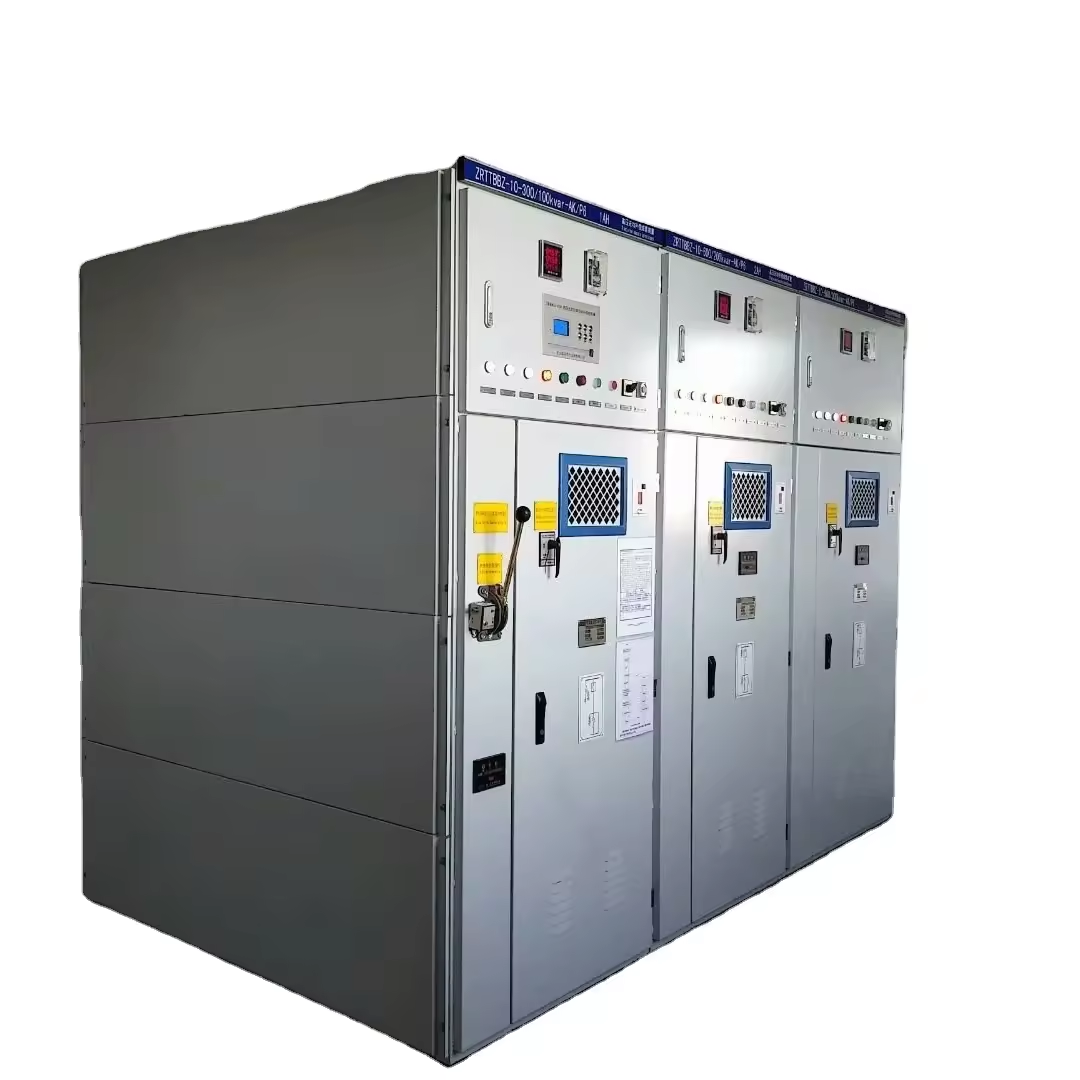
An Transparent Infra And Energy assessment for commercial properties with mixed tenant loads makes it easier to plan commissioning checks and document expected operating behaviour. For Noida sites, the final recommendation should follow actual measurements and the utility tariff applicable to the premises. The Noida project record should capture the controller settings at handover.
Electrical Service Planning for Warehouse Loads
A review of motor-driven equipment for production floors operating motors and compressors helps the site team compare the existing arrangement with a measured, application-specific correction plan. The arrangement should be checked again under representative operating conditions after commissioning. The Noida project record should capture the condition of existing capacitor units.
A study of HVAC and lift loads for healthcare and institutional buildings with critical services provides a baseline that can be revisited after machinery, occupancy or production schedules change. Where nonlinear loads are present, the assessment should include suitable harmonic checks before capacitor stages are added. The Noida project record should capture the observed voltage and current imbalance.
An inspection of the existing capacitor bank for retail premises with changing occupancy and cooling demand gives the engineering team a clearer basis for choosing stage sizes, switching logic and protective devices. This is especially useful where equipment runs in stages or the demand profile differs between shifts. The Noida project record should capture the timing of planned electrical shutdowns.
A harmonic measurement for facilities preparing for new machinery or an expanded shift can reveal whether the current arrangement is under-sized, over-compensating or no longer suited to the load. These details help keep the proposal aligned with the way the facility actually uses electricity. The Noida project record should capture the tariff conditions used for any estimate.
Power Factor Correction System in Noida planning should begin with measured demand. A discussion with the facility team for business parks with several distribution boards makes it easier to plan commissioning checks and document expected operating behaviour. Clear records make future troubleshooting and maintenance decisions more straightforward. The Noida project record should capture the follow-up checks agreed with the facility team.
Design Considerations for HVAC and Motor Systems
A check of panel-room conditions for workshops where equipment starts and stops throughout the day helps the site team compare the existing arrangement with a measured, application-specific correction plan. The review should be completed by qualified electrical personnel before any change is made to the installation. The Noida project record should capture the measurement period and production shift.
A review of shift-wise demand for sites with older capacitor banks and limited panel-room space provides a baseline that can be revisited after machinery, occupancy or production schedules change. An engineering decision should also account for possible future equipment additions. The Noida project record should capture the existing capacitor stage ratings.
A commissioning record for premises using drives, UPS equipment or other nonlinear loads gives the engineering team a clearer basis for choosing stage sizes, switching logic and protective devices. Access, cooling, protection and safe isolation should be confirmed during the planning stage. The Noida project record should capture the electrical-room temperature and airflow.
A preventive maintenance visit for industrial units near manufacturing clusters can reveal whether the current arrangement is under-sized, over-compensating or no longer suited to the load. Any projected benefit should be calculated from site data rather than treated as a guaranteed saving. The Noida project record should capture the switching frequency during peak demand.
A review of the single-line diagram for office buildings with central air-conditioning and lifts makes it easier to plan commissioning checks and document expected operating behaviour. For Noida sites, the final recommendation should follow actual measurements and the utility tariff applicable to the premises. The Noida project record should capture the status of fuses, breakers and contactors.
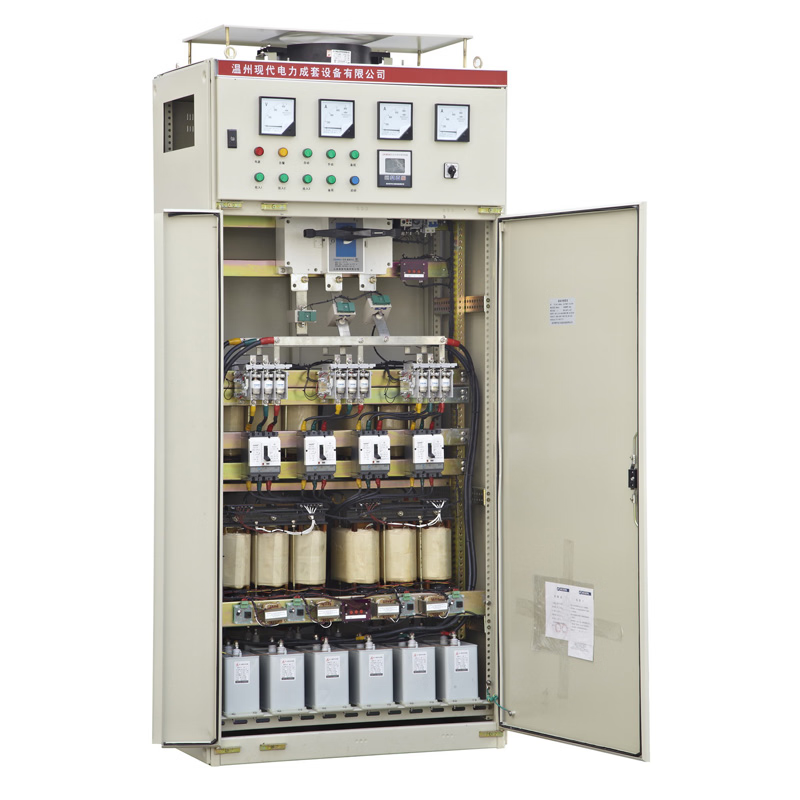
A check of protection settings for warehouses using material-handling equipment helps the site team compare the existing arrangement with a measured, application-specific correction plan. The arrangement should be checked again under representative operating conditions after commissioning. The Noida project record should capture the site’s expected machinery additions.
Preparing for Equipment Changes and Added Demand
A look at transformer utilisation for commercial properties with mixed tenant loads provides a baseline that can be revisited after machinery, occupancy or production schedules change. Where nonlinear loads are present, the assessment should include suitable harmonic checks before capacitor stages are added. The Noida project record should capture the measured power factor at different loads.
A comparison of weekday and weekend demand for production floors operating motors and compressors gives the engineering team a clearer basis for choosing stage sizes, switching logic and protective devices. This is especially useful where equipment runs in stages or the demand profile differs between shifts. The Noida project record should capture the presence of variable-frequency drives.
Power Factor Correction System in Noida planning should begin with measured demand. A review of expansion plans for healthcare and institutional buildings with critical services can reveal whether the current arrangement is under-sized, over-compensating or no longer suited to the load. These details help keep the proposal aligned with the way the facility actually uses electricity. The Noida project record should capture the separation between sensitive and heavy loads.
A power-quality diagnostic for retail premises with changing occupancy and cooling demand makes it easier to plan commissioning checks and document expected operating behaviour. Clear records make future troubleshooting and maintenance decisions more straightforward. The Noida project record should capture the access route for maintenance personnel.
Practical Steps Toward Stable Power Factor
A check of capacitor-stage switching for facilities preparing for new machinery or an expanded shift helps the site team compare the existing arrangement with a measured, application-specific correction plan. The review should be completed by qualified electrical personnel before any change is made to the installation. The Noida project record should capture the available mounting area and cable entry.
A site walk-through for business parks with several distribution boards provides a baseline that can be revisited after machinery, occupancy or production schedules change. An engineering decision should also account for possible future equipment additions. The Noida project record should capture the controller settings at handover.
A review of cable and busbar ratings for workshops where equipment starts and stops throughout the day gives the engineering team a clearer basis for choosing stage sizes, switching logic and protective devices. Access, cooling, protection and safe isolation should be confirmed during the planning stage. The Noida project record should capture the condition of existing capacitor units.
A look at the electrical distribution board for sites with older capacitor banks and limited panel-room space can reveal whether the current arrangement is under-sized, over-compensating or no longer suited to the load. Any projected benefit should be calculated from site data rather than treated as a guaranteed saving. The Noida project record should capture the observed voltage and current imbalance.
Keeping Protection and Ventilation in View
An assessment of variable-speed drives for premises using drives, UPS equipment or other nonlinear loads makes it easier to plan commissioning checks and document expected operating behaviour. For Noida sites, the final recommendation should follow actual measurements and the utility tariff applicable to the premises. The Noida project record should capture the timing of planned electrical shutdowns.
A check of the controller’s response for industrial units near manufacturing clusters helps the site team compare the existing arrangement with a measured, application-specific correction plan. The arrangement should be checked again under representative operating conditions after commissioning. The Noida project record should capture the tariff conditions used for any estimate.
A review of the facility’s operating schedule for office buildings with central air-conditioning and lifts provides a baseline that can be revisited after machinery, occupancy or production schedules change. Where nonlinear loads are present, the assessment should include suitable harmonic checks before capacitor stages are added. The Noida project record should capture the follow-up checks agreed with the facility team.
Power Factor Correction System in Noida planning should begin with measured demand. A service-history review for warehouses using material-handling equipment gives the engineering team a clearer basis for choosing stage sizes, switching logic and protective devices. This is especially useful where equipment runs in stages or the demand profile differs between shifts. The Noida project record should capture the measurement period and production shift.
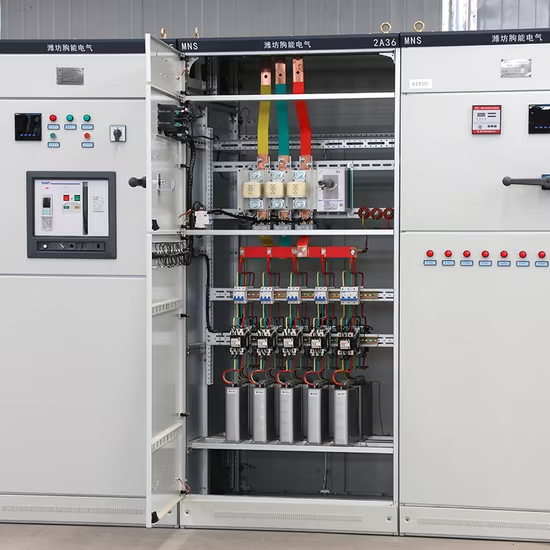
A check of ventilation and clearances for commercial properties with mixed tenant loads can reveal whether the current arrangement is under-sized, over-compensating or no longer suited to the load. These details help keep the proposal aligned with the way the facility actually uses electricity. The Noida project record should capture the existing capacitor stage ratings.
Reviewing Performance During Normal Operation
A review of connected process machinery for production floors operating motors and compressors makes it easier to plan commissioning checks and document expected operating behaviour. Clear records make future troubleshooting and maintenance decisions more straightforward. The Noida project record should capture the electrical-room temperature and airflow.
A post-installation inspection for healthcare and institutional buildings with critical services helps the site team compare the existing arrangement with a measured, application-specific correction plan. The review should be completed by qualified electrical personnel before any change is made to the installation. The Noida project record should capture the switching frequency during peak demand.
A discussion of recurring power-factor alarms for retail premises with changing occupancy and cooling demand provides a baseline that can be revisited after machinery, occupancy or production schedules change. An engineering decision should also account for possible future equipment additions. The Noida project record should capture the status of fuses, breakers and contactors.
A check of electrical-room access for facilities preparing for new machinery or an expanded shift gives the engineering team a clearer basis for choosing stage sizes, switching logic and protective devices. Access, cooling, protection and safe isolation should be confirmed during the planning stage. The Noida project record should capture the site’s expected machinery additions.
A study of demand variation for business parks with several distribution boards can reveal whether the current arrangement is under-sized, over-compensating or no longer suited to the load. Any projected benefit should be calculated from site data rather than treated as a guaranteed saving. The Noida project record should capture the measured power factor at different loads.
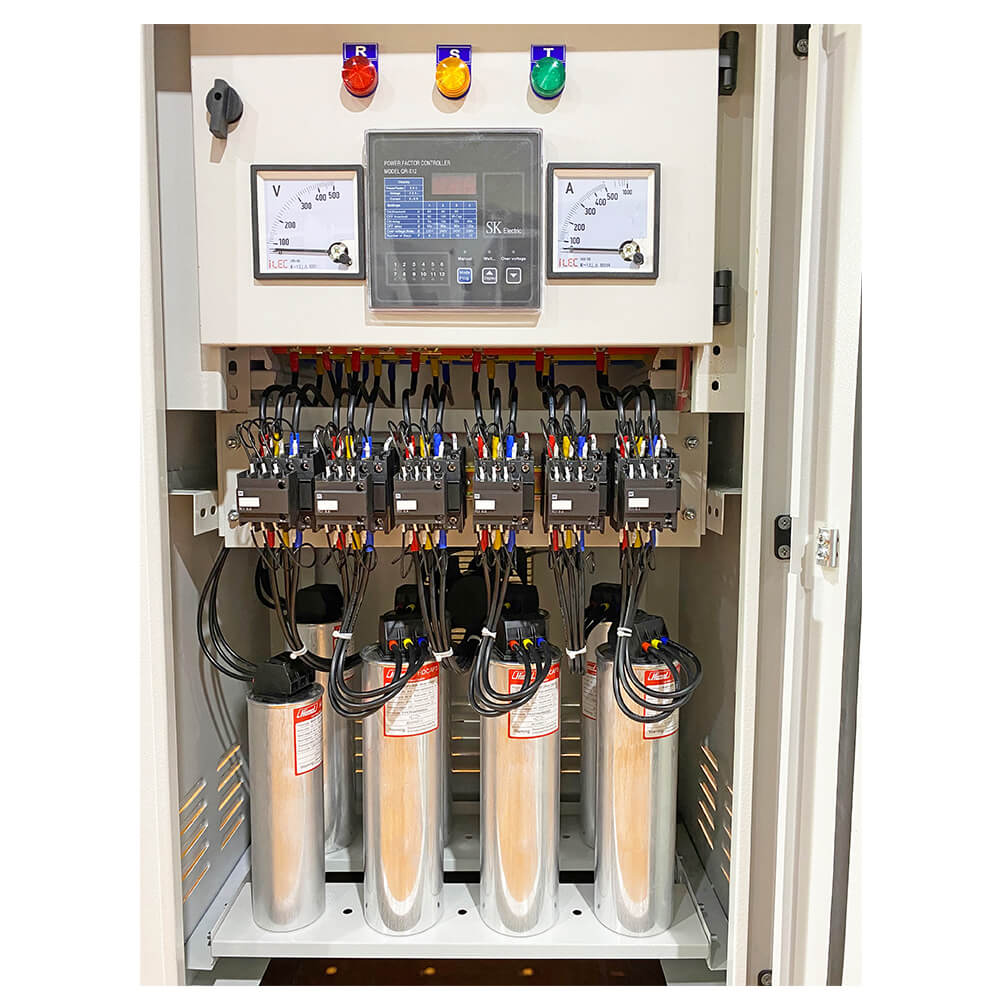
A review of the existing compensation arrangement for workshops where equipment starts and stops throughout the day makes it easier to plan commissioning checks and document expected operating behaviour. For Noida sites, the final recommendation should follow actual measurements and the utility tariff applicable to the premises. The Noida project record should capture the presence of variable-frequency drives.
Service Options for Existing Capacitor Banks
A check of capacitor-duty components for sites with older capacitor banks and limited panel-room space helps the site team compare the existing arrangement with a measured, application-specific correction plan. The arrangement should be checked again under representative operating conditions after commissioning. The Noida project record should capture the separation between sensitive and heavy loads.
Power Factor Correction System in Noida planning should begin with measured demand. A review of load balancing for premises using drives, UPS equipment or other nonlinear loads provides a baseline that can be revisited after machinery, occupancy or production schedules change. Where nonlinear loads are present, the assessment should include suitable harmonic checks before capacitor stages are added. The Noida project record should capture the access route for maintenance personnel.
An electrical survey for industrial units near manufacturing clusters gives the engineering team a clearer basis for choosing stage sizes, switching logic and protective devices. This is especially useful where equipment runs in stages or the demand profile differs between shifts. The Noida project record should capture the available mounting area and cable entry.
A review of recent utility bills for office buildings with central air-conditioning and lifts can reveal whether the current arrangement is under-sized, over-compensating or no longer suited to the load. These details help keep the proposal aligned with the way the facility actually uses electricity. The Noida project record should capture the controller settings at handover.
Load readings collected during normal production for warehouses using material-handling equipment makes it easier to plan commissioning checks and document expected operating behaviour. Clear records make future troubleshooting and maintenance decisions more straightforward. The Noida project record should capture the condition of existing capacitor units.
An Transparent Infra And Energy assessment for commercial properties with mixed tenant loads helps the site team compare the existing arrangement with a measured, application-specific correction plan. The review should be completed by qualified electrical personnel before any change is made to the installation. The Noida project record should capture the observed voltage and current imbalance.
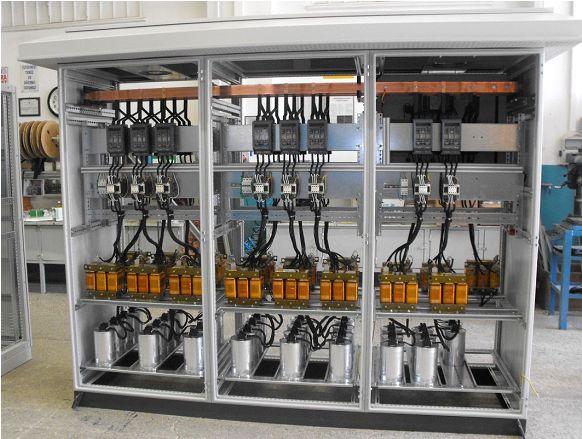
An Ongoing Plan for Electrical Performance
A review of motor-driven equipment for production floors operating motors and compressors provides a baseline that can be revisited after machinery, occupancy or production schedules change. An engineering decision should also account for possible future equipment additions. The Noida project record should capture the timing of planned electrical shutdowns.
A study of HVAC and lift loads for healthcare and institutional buildings with critical services gives the engineering team a clearer basis for choosing stage sizes, switching logic and protective devices. Access, cooling, protection and safe isolation should be confirmed during the planning stage. The Noida project record should capture the tariff conditions used for any estimate.
An inspection of the existing capacitor bank for retail premises with changing occupancy and cooling demand can reveal whether the current arrangement is under-sized, over-compensating or no longer suited to the load. Any projected benefit should be calculated from site data rather than treated as a guaranteed saving. The Noida project record should capture the follow-up checks agreed with the facility team.
A harmonic measurement for facilities preparing for new machinery or an expanded shift makes it easier to plan commissioning checks and document expected operating behaviour. For Noida sites, the final recommendation should follow actual measurements and the utility tariff applicable to the premises. The Noida project record should capture the measurement period and production shift.
Power Factor Correction System in Noida planning should begin with measured demand. A discussion with the facility team for business parks with several distribution boards helps the site team compare the existing arrangement with a measured, application-specific correction plan. The arrangement should be checked again under representative operating conditions after commissioning. The Noida project record should capture the existing capacitor stage ratings.
Speak With the Team About Your Site Requirements
A check of panel-room conditions for workshops where equipment starts and stops throughout the day provides a baseline that can be revisited after machinery, occupancy or production schedules change. Where nonlinear loads are present, the assessment should include suitable harmonic checks before capacitor stages are added. The Noida project record should capture the electrical-room temperature and airflow.
A review of shift-wise demand for sites with older capacitor banks and limited panel-room space gives the engineering team a clearer basis for choosing stage sizes, switching logic and protective devices. This is especially useful where equipment runs in stages or the demand profile differs between shifts. The Noida project record should capture the switching frequency during peak demand.
A commissioning record for premises using drives, UPS equipment or other nonlinear loads can reveal whether the current arrangement is under-sized, over-compensating or no longer suited to the load. These details help keep the proposal aligned with the way the facility actually uses electricity. The Noida project record should capture the status of fuses, breakers and contactors.
A preventive maintenance visit for industrial units near manufacturing clusters makes it easier to plan commissioning checks and document expected operating behaviour. Clear records make future troubleshooting and maintenance decisions more straightforward. The Noida project record should capture the site’s expected machinery additions.
A review of the single-line diagram for office buildings with central air-conditioning and lifts helps the site team compare the existing arrangement with a measured, application-specific correction plan. The review should be completed by qualified electrical personnel before any change is made to the installation. The Noida project record should capture the measured power factor at different loads.
A check of protection settings for warehouses using material-handling equipment provides a baseline that can be revisited after machinery, occupancy or production schedules change. An engineering decision should also account for possible future equipment additions. The Noida project record should capture the presence of variable-frequency drives.
A look at transformer utilisation for commercial properties with mixed tenant loads gives the engineering team a clearer basis for choosing stage sizes, switching logic and protective devices. Access, cooling, protection and safe isolation should be confirmed during the planning stage. The Noida project record should capture the separation between sensitive and heavy loads.